
A specific need in the leadership team
Pensjonistforbundet approached TEAM NORSO with a clear starting point.
The leadership team consisted of five people:
- Secretary General
- Organisational Secretary
- Head of Communications
- Head of Professional Affairs and Policy
- Head of Volunteering and County Secretaries
The organisation wanted to work on:
- moving from a group of leaders to a leadership team
- how team members could support one another
- making leadership meetings more effective
- making better use of meeting time
- clarifying expectations
- clarifying responsibilities
The organisation operates in a politically governed context in which the leadership team can face numerous, sometimes conflicting expectations.
Understanding the group first
Before the in-person gathering, TEAM NORSO held an online preparatory meeting with the entire leadership team.
The aim was to get to know the participants, understand their roles and build a clearer picture of the situation before the development work began.
The preparatory meeting was intended to establish an understanding of the group and a sound basis for the in-person gathering. It was not intended to resolve specific conflicts or problems.
Randi Myrvang led the professional work for TEAM NORSO. Svein Erik Haugan provided support.
Communication, differences and collaboration
The subsequent work explored, among other things, how personal preferences and differences between people affect communication and collaboration.
It covered personal preferences, communication styles, different ways of expressing ourselves, how we interpret others, how differences influence collaboration and how communication changes under pressure.
The approach combined theory, reflection, practical exercises and group discussions.
The aim was to improve understanding of participants’ own and others’ communication styles, creating better conditions for constructive dialogue and collaboration.
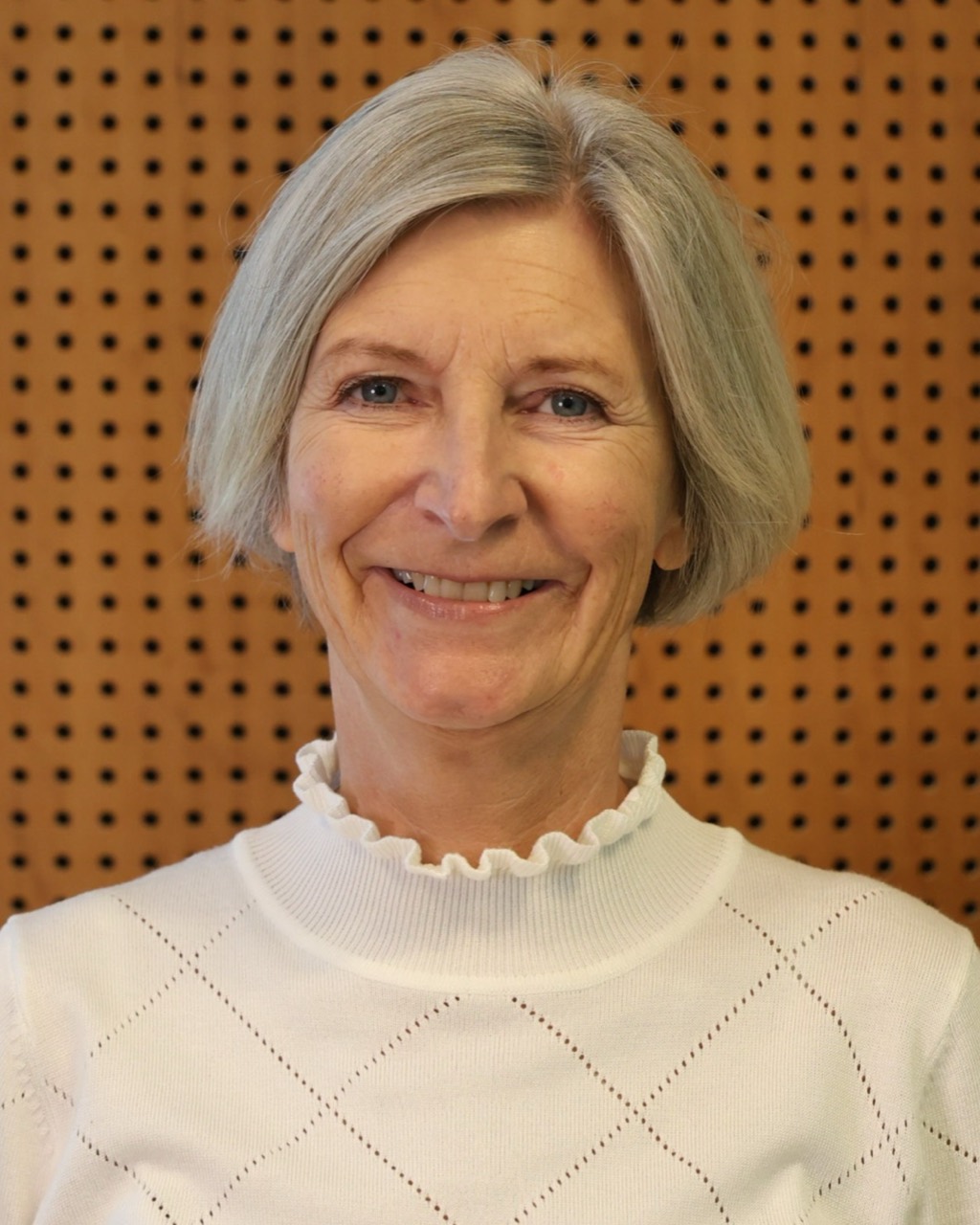
“TEAM NORSO led the sessions well and prompted reflection.”
From the leadership team to employee contribution
The work later extended to a larger gathering with employees from the county branches. This broadened the focus beyond the leadership team.
Topics included taking responsibility as an employee, collaboration, team spirit and how people in the organisation can support one another and work more effectively together.
Randi Myrvang led the session, supported by Svein Erik Haugan. The gathering included professional presentations and group discussions.
The leadership team work and the later gathering shared a starting point: how people with different roles and perspectives can understand one another better, take responsibility for their own contribution and strengthen collaboration around shared tasks.
What the work provided
The development work gave the leadership team an opportunity to examine both strengths and weaknesses in how it works and communicates. The aim was to encourage reflection and establish a better basis for further development, rather than confirm that everything was working well.
“The work has confirmed our strengths and weaknesses, for better and for worse.”
Anne Kari MinsaasHead of Volunteering and County Secretaries, Pensjonistforbundet
Development grounded in the group
Leadership team development involves understanding how the group actually works, clarifying responsibilities and using differences to strengthen collaboration and decisions. People do not need to become alike or agree on everything. The work with Pensjonistforbundet shows why development needs to start with the people, roles and organisation as they are.