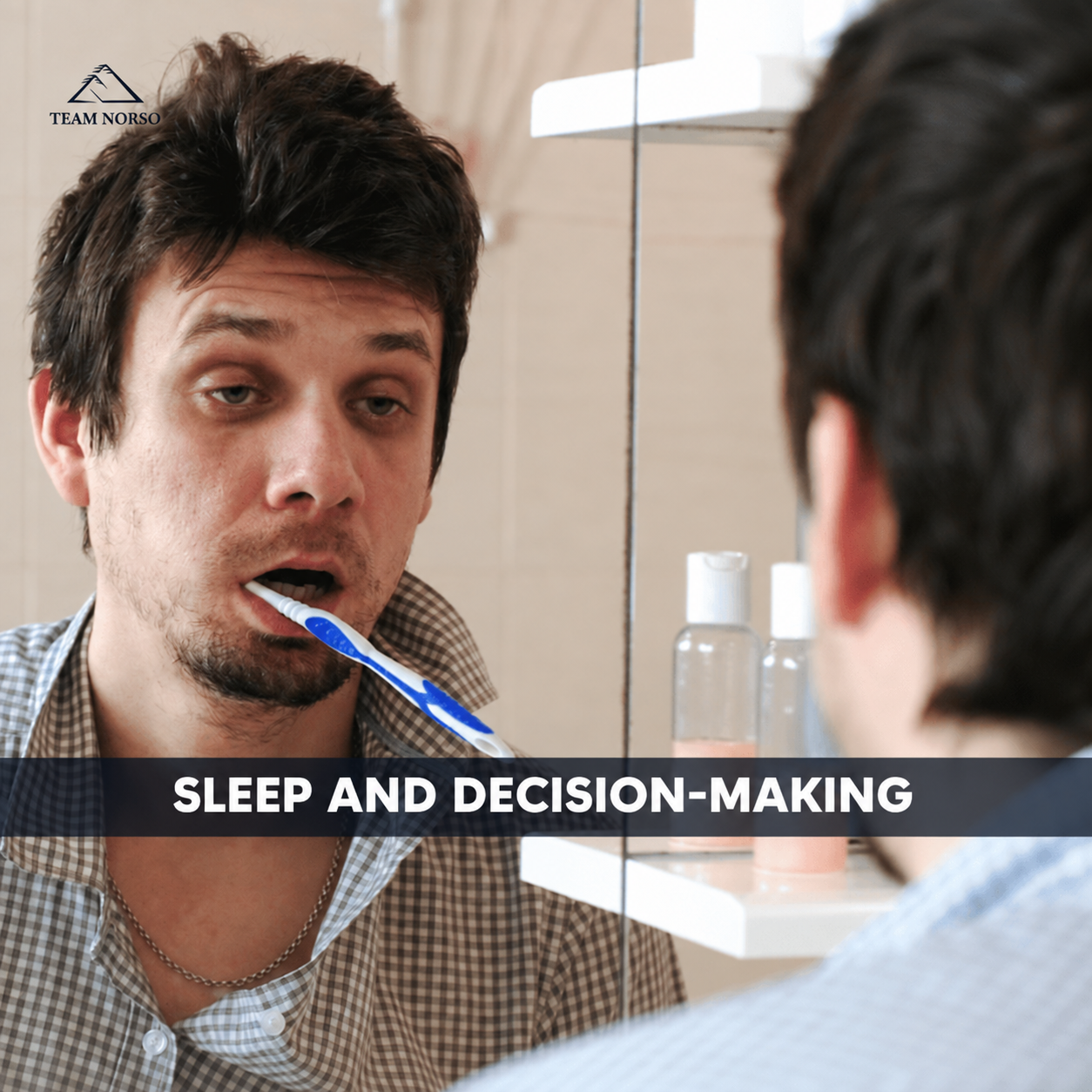


Sleep is essential to physical and mental health. It also affects daily performance. Insufficient sleep can interfere with concentration, memory, learning and decision-making, making familiar tasks harder and increasing the risk of mistakes.
During sleep, processes that support recovery, learning and memory take place. Sleep is therefore part of developing capability, rather than simply a pause between productive periods.
Notice the effect on your day
When sleep is inadequate, maintaining attention and responding effectively to complex situations can become more difficult. Mood and reactions may change too. These effects matter at work and in everyday activities, particularly when safety depends on alertness.
The original article names several research institutions but provides incomplete study references. This edition uses the established general message rather than repeating those specific attributions.
Make sufficient sleep possible
Most adults need around seven to nine hours, although individual circumstances and needs vary. A regular schedule, a suitable sleeping environment and time to wind down can help. Consider caffeine and alcohol timing and other habits that interfere with your sleep.
Making space for sleep is also an organisational issue. Work patterns and expectations of availability can make healthy routines easier or harder to maintain.
Sleep supports learning and memory. Lack of sleep can affect attention, reactions and judgement. Consistent routines and sufficient opportunity to rest are practical foundations for sustained performance.
If difficulties persist, or you remain excessively sleepy despite adequate opportunity to sleep, seek qualified medical advice.
Further reading
National Heart, Lung, and Blood Institute: Sleep Deprivation and Deficiency, and How Much Sleep Is Enough?
English editorial adaptation of the Norwegian original.
Bring the ideas into your organisation.
Talk to us about your leadership, team or recruitment challenge.
Book a conversation ↗