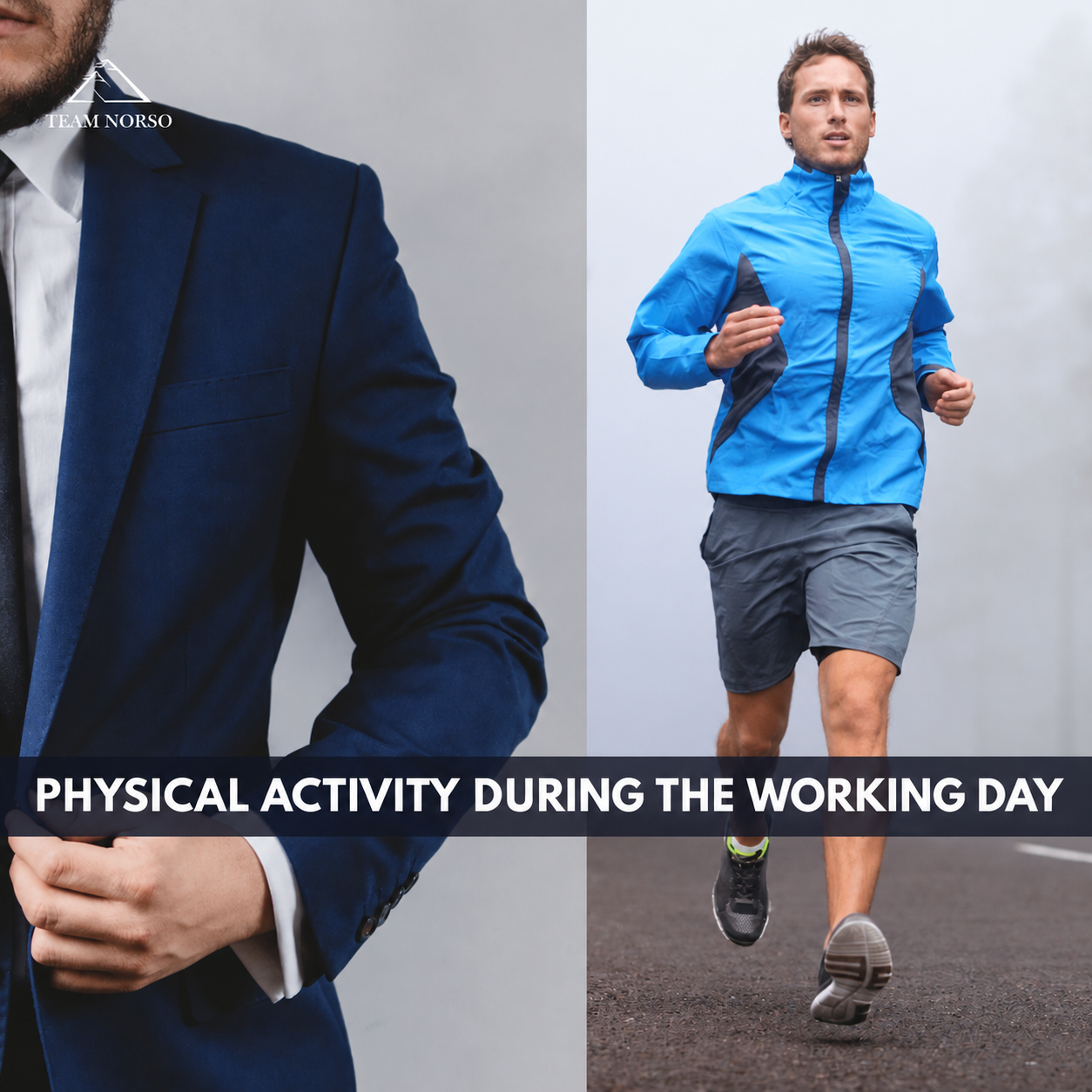
Physical activity is relevant to working life because health, concentration, energy and wellbeing affect how people experience their day. Employers and employees can both consider how to make movement a practical part of work.
Regular activity is associated with physical and mental health benefits. It can support wellbeing and cognitive health and reduce the risk of several long-term health conditions. Benefits and suitable activities vary between individuals.
The original Norwegian article discusses research on workplace activity, wellbeing, absence, cognition and stress. It does not provide complete bibliographic details for several studies. This international edition therefore avoids reproducing precise study claims that cannot be checked from the supplied references.
Consider the whole person
Activity is not simply a productivity tool. Feeling healthier, having opportunities to move and taking a break from sedentary tasks may support confidence and a more positive experience of work.
That does not mean fitness determines an employee’s value or capability. Workplaces should accommodate different health conditions, disabilities, preferences and starting points.
A social opportunity
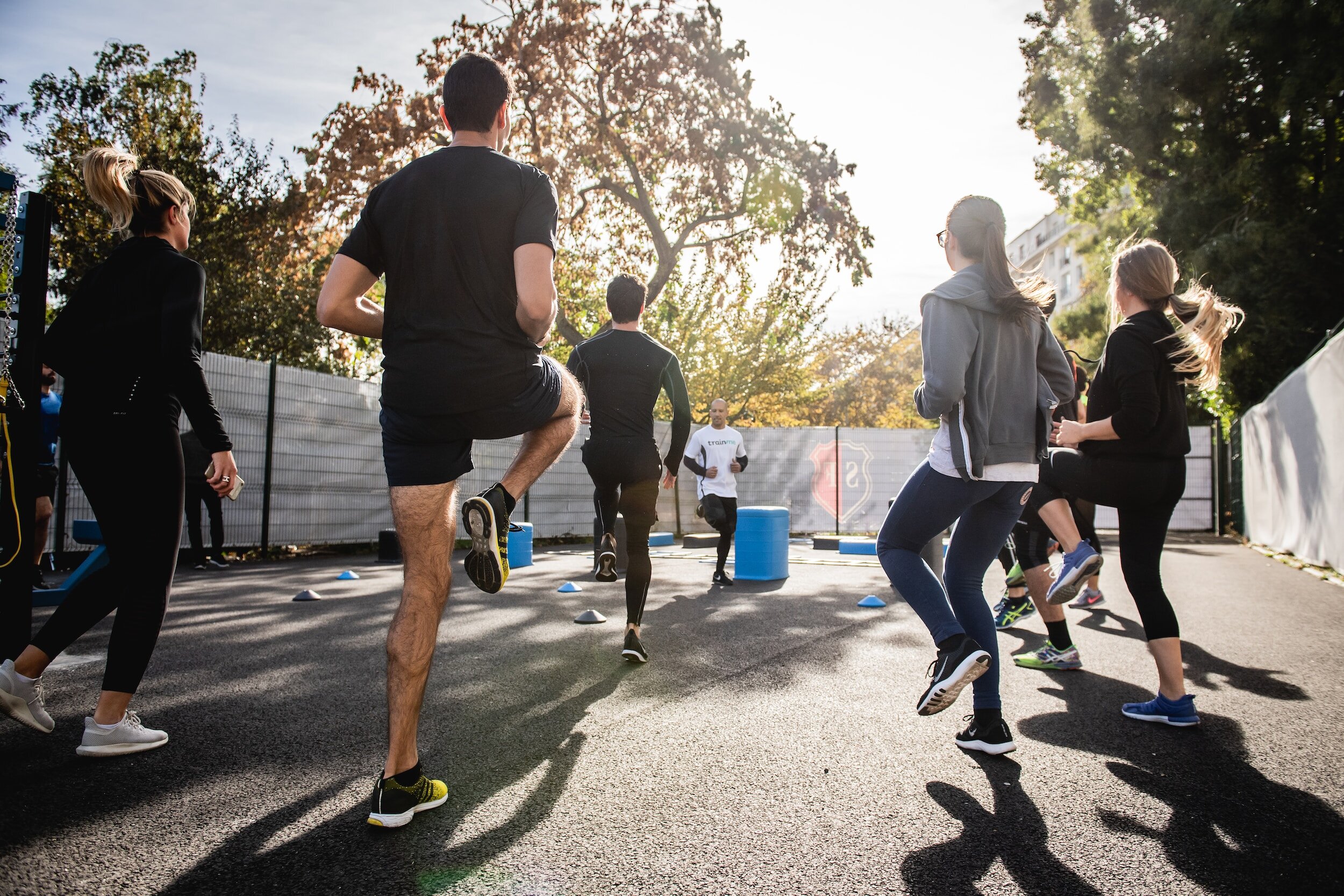
Shared activity can also help colleagues build relationships outside their usual tasks. Walking conversations, voluntary exercise sessions or opportunities to move together may support connection and cooperation.
A supportive workplace culture can make activity easier than leaving it entirely to individual motivation. Time, access, encouragement and flexibility matter.
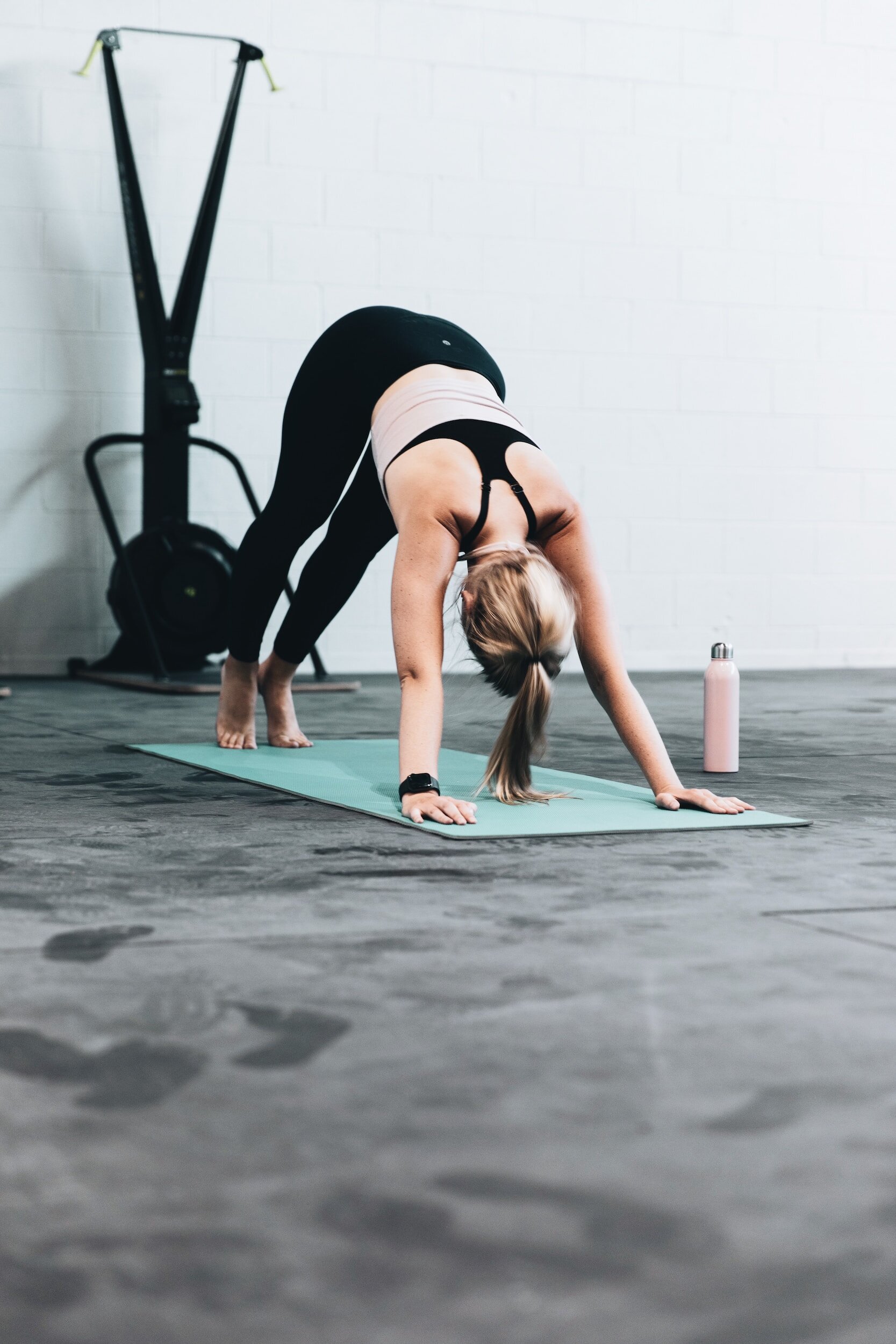
Make participation realistic
The most useful approach is one people can actually sustain. Offer choice, avoid pressure to disclose health information and make participation inclusive. Activity should support recovery and wellbeing rather than become another performance demand.
Physical activity is one part of a wider picture that includes manageable workloads, sleep, relationships and good leadership.
Further reading
World Health Organization: Physical activity. Its guidance describes established health benefits and the importance of adapting activity to different populations and abilities.
English editorial adaptation of the Norwegian original.
Bring the ideas into your organisation.
Talk to us about your leadership, team or recruitment challenge.
Book a conversation ↗