Leadership involves knowledge, skills and personal judgement. Responsibility extends beyond your own tasks to colleagues, performance, working conditions and ethical decisions.
Those demands create pressure. Good routines and systems can reduce unnecessary stress, but no plan removes every difficult situation. Leaders also need ways to respond when circumstances become demanding.
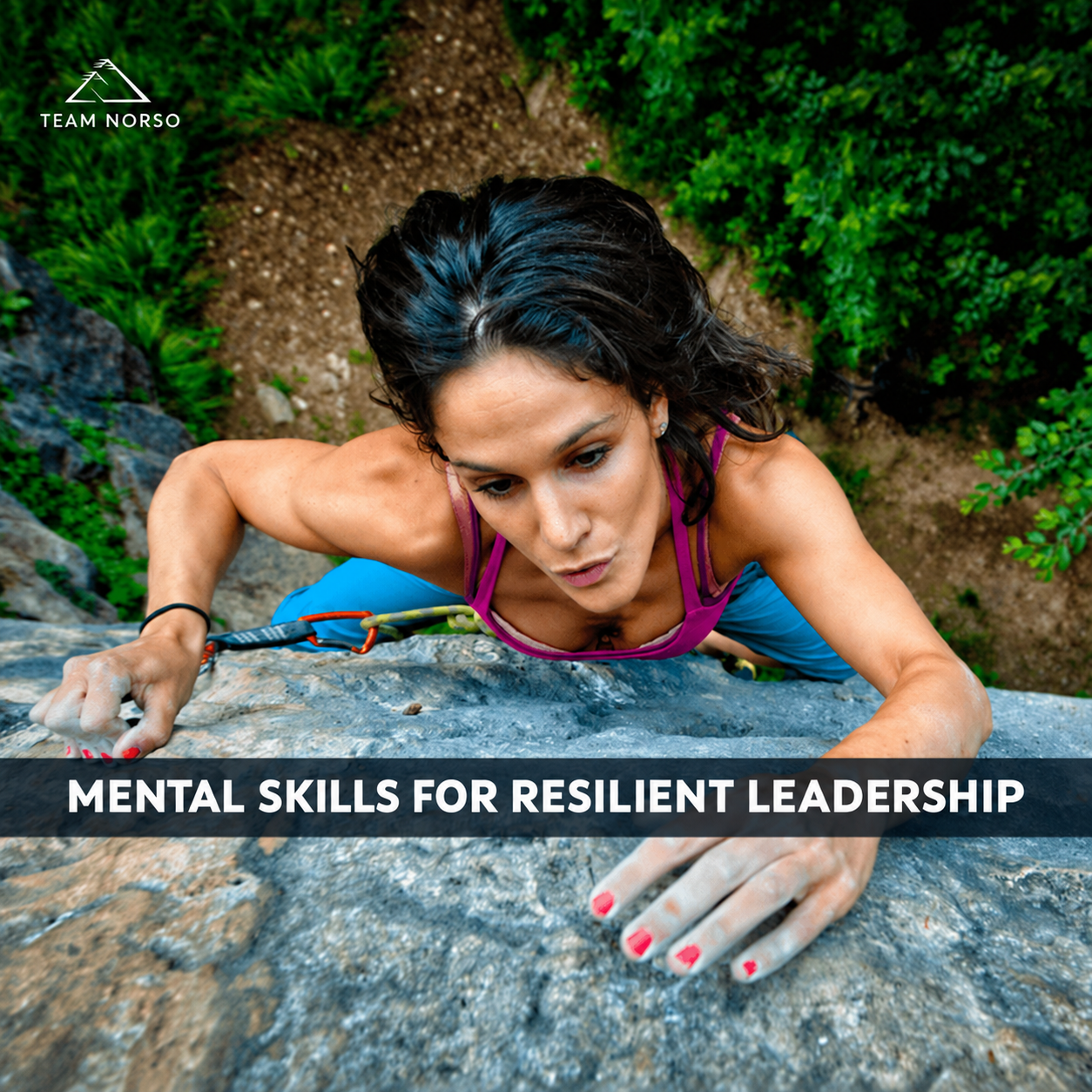
Military leadership development includes preparation for extreme conditions in which others depend on sound decisions. Physical and mental preparation are important parts of that training. Lessons about practice and preparation can be useful in civilian leadership without assuming that business and military settings are identical.
What mental skills can support
Mental training is often associated with sport. In leadership, relevant practices may help with managing attention, preparing for challenging conversations, recognising unhelpful thought patterns and responding more deliberately under pressure.
Relaxation and breathing practices may help a person settle before a difficult situation. Rehearsing a realistic scenario can clarify the steps involved. Reflecting on previous experience can build more grounded confidence.
Such tools do not make anyone immune to stress or illness. They complement, rather than replace, manageable working conditions, recovery and professional support when needed.
Confidence and focus
Leaders face decisions, competing expectations and unexpected events. Confidence grounded in preparation can make it easier to assess options and act.
Visualising how to approach a task, questioning unhelpful assumptions and recognising existing skills may contribute. The aim is not simply to imagine success, but to prepare useful behaviour.
Attention is another area for practice. Reducing distractions and deliberately returning focus to the most important task can help leaders prioritise amid competing demands.
Understand your own reactions
Reflection on emotions and thought patterns can also improve awareness of other people. Colleagues may experience the same situation differently. Recognising this can support empathy, communication and trust.
Leaders and teams can practise handling challenges together, then discuss what happened and what they learned. Shared reflection connects individual development with teamwork.
Make it a continuing practice
Mental skills are not a quick fix. Development takes planning, motivation, patience and repeated use. Start with small practices that fit your work and assess what helps.
The goal is a more deliberate response to the demands of leadership and a healthier, more effective environment for the people you lead.
English editorial adaptation of the Norwegian original.
Bring the ideas into your organisation.
Talk to us about your leadership, team or recruitment challenge.
Book a conversation ↗